
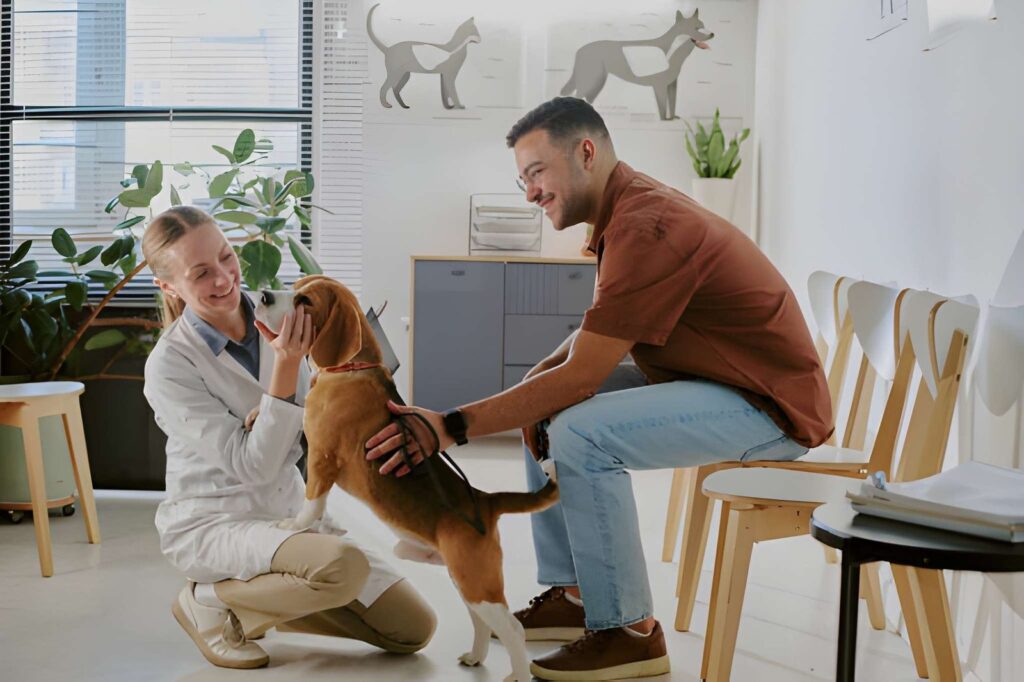
The quality of life for pets is one of the most important aspects of responsible pet ownership. Every pet deserves to live with comfort, dignity, and happiness throughout every stage of life. Whether you have a playful puppy, a curious kitten, or a senior companion, understanding what contributes to their wellbeing helps you make informed decisions about their care. With the support of your veterinarian, you can recognise changes early, manage chronic conditions, and ensure your pet enjoys the best possible life.
As pets age or develop medical conditions, their physical and emotional needs often change. Fortunately, regular veterinary care, proper nutrition, pain management, and a loving home all play a vital role in maintaining their wellbeing. In addition, monitoring your pet’s behaviour and overall health can help identify issues before they become more serious.
Why Quality of Life Matters for Every Pet
Every pet experiences life differently, yet all animals rely on their owners to recognise when something is wrong. Unlike people, dogs and cats cannot explain when they feel pain or discomfort. Instead, they communicate through changes in behaviour, appetite, mobility, grooming habits, and social interaction.
Maintaining a high quality of life means more than preventing illness. It also involves supporting emotional health, encouraging appropriate exercise, providing mental stimulation, and ensuring your pet remains comfortable throughout their life.
For many owners, regular veterinary check-ups provide reassurance that their pet is healthy. More importantly, these visits allow veterinarians to detect subtle changes before they become significant health problems.
Understanding Quality of Life for Dogs
The quality of life for dogs depends on several physical and emotional factors. Active dogs generally enjoy regular walks, playtime, social interaction, and opportunities to explore their environment. However, ageing, arthritis, heart disease, cancer, or neurological conditions may gradually affect their daily routine.
Common signs that a dog’s quality of life may be changing include:
- Reduced interest in walks or play
- Difficulty standing or climbing stairs
- Persistent limping or stiffness
- Changes in appetite
- Increased sleeping
- Anxiety or confusion
- Loss of interest in family members
- Frequent accidents indoors
These changes do not always mean a dog’s life is nearing its end. Instead, they often indicate that adjustments to treatment, nutrition, exercise, or pain management are needed. Therefore, speaking with your veterinarian as soon as you notice changes is essential.
Many dogs continue to enjoy a happy and fulfilling life for years with appropriate medical support.
Your pet’s comfort and happiness matter at every stage of life. If you have noticed changes in your dog or cat’s behaviour, mobility, appetite, or overall wellbeing, professional veterinary guidance can help you understand the next steps. Contact us today to discuss your pet’s quality of life and create a care plan tailored to their needs.
Understanding Quality of Life for Cats
The quality of life for cats can be more difficult to assess because cats naturally hide pain and illness. They often continue their normal routines until discomfort becomes significant.
Owners should watch for subtle behavioural changes such as:
- Sleeping more than usual
- Hiding frequently
- Reduced grooming
- Weight loss
- Changes in litter tray habits
- Jumping less often
- Decreased appetite
- Irritability when touched
Older cats commonly develop arthritis, kidney disease, hyperthyroidism, or dental disease. Fortunately, many of these conditions respond well to treatment when diagnosed early.
Providing soft bedding, easy access to food and water, low-entry litter trays, and regular veterinary care can significantly improve comfort for ageing cats.
What Is a Quality of Life Scale for Pets?
A quality of life scale for pets is a structured tool that helps owners and veterinarians evaluate a pet’s wellbeing objectively. Rather than relying on emotions alone, these assessments consider several important aspects of daily life.
Although different scoring systems exist, most evaluate areas such as:
Pain Management
Is pain well controlled?
Pets experiencing chronic pain often become withdrawn, reluctant to move, or less interested in activities they once enjoyed. Modern veterinary medicine offers many options to reduce discomfort and improve daily living.
Appetite and Hydration
Is your pet eating and drinking normally?
Good nutrition supports healing, immune function, and overall energy levels. Persistent appetite loss should always be investigated.
Mobility
Can your pet move comfortably?
Walking, climbing stairs, standing, and getting into bed all provide valuable information about mobility. Reduced movement may indicate pain, muscle weakness, or neurological disease.
Hygiene
Can your pet stay clean?
Difficulty grooming or frequent soiling may reduce comfort and increase the risk of skin problems.
Happiness
Does your pet still enjoy life?
Many veterinarians ask owners whether their pet still enjoys favourite activities, seeks affection, responds to family members, or shows curiosity about their surroundings.
Good Days Versus Bad Days
One of the most helpful parts of a quality of life assessment involves comparing good days with bad days over several weeks. Tracking these patterns often provides a clearer picture than judging a single difficult day.
Factors That Influence a Pet’s Wellbeing
Many different elements contribute to the overall quality of life for pets. While medical care is essential, lifestyle and environment also make a significant difference.
Nutrition
Balanced nutrition supports healthy organs, muscles, joints, skin, and the immune system. Your veterinarian can recommend diets suited to your pet’s age, breed, activity level, and medical conditions.
Exercise
Regular activity helps maintain healthy weight, joint flexibility, cardiovascular health, and mental wellbeing. Exercise requirements vary greatly between breeds and individual pets.
Mental Stimulation
Interactive toys, training sessions, scent games, puzzle feeders, and gentle play keep both dogs and cats mentally engaged. Mental enrichment reduces boredom and supports emotional health.
Preventive Healthcare
Routine examinations, vaccinations, parasite prevention, dental care, and health screenings allow problems to be identified early. Preventive care remains one of the most effective ways to protect your pet’s long-term wellbeing.
A Safe Home Environment
Comfortable bedding, clean water, appropriate temperature, and reduced household stress all contribute to a healthier and happier life. Small environmental adjustments often make a noticeable difference, particularly for senior pets or those living with chronic illness.
When Should You Seek Veterinary Guidance?
Every pet has occasional off days. However, persistent changes in behaviour or health should never be ignored. Early veterinary intervention can improve treatment outcomes and, in many cases, restore your pet’s comfort and quality of life.
You should arrange a veterinary appointment if your pet:
- Stops eating or drinking for more than 24 hours.
- Experiences unexplained weight loss.
- Shows signs of pain, such as limping, vocalising, or reluctance to move.
- Has difficulty breathing or persistent coughing.
- Vomits or has diarrhoea repeatedly.
- Becomes withdrawn, anxious, or unusually aggressive.
- Struggles to stand, walk, or climb stairs.
- Develops new lumps or wounds that do not heal.
In addition, regular wellness examinations allow veterinarians to detect conditions before obvious symptoms appear. Preventive care often leads to better long-term outcomes and a higher quality of life for pets.
Supporting Senior Pets Through Every Stage of Life
Growing older is a natural part of life, but ageing does not automatically mean poor health. Many senior dogs and cats continue to enjoy active, fulfilling lives when they receive appropriate care.
Senior pets benefit from more frequent health checks because age-related conditions can develop gradually. Arthritis, kidney disease, dental disease, heart conditions, cognitive decline, and reduced vision or hearing are common concerns that can often be managed successfully.
Simple adjustments at home can make a meaningful difference, including:
- Providing supportive bedding for sore joints.
- Using ramps instead of stairs where possible.
- Keeping food and water bowls easily accessible.
- Maintaining a consistent daily routine.
- Offering gentle exercise suited to your pet’s ability.
- Encouraging mental enrichment with toys, training, or puzzle feeders.
These practical changes help preserve independence and improve both the quality of life for dogs and the quality of life for cats as they age.
Managing Chronic Conditions While Maintaining Quality of Life
A diagnosis of a chronic illness can feel overwhelming, but many pets continue to enjoy life with the right treatment plan.
Conditions such as arthritis, diabetes, kidney disease, heart disease, cancer, and endocrine disorders often require ongoing management rather than a cure. Working closely with your veterinarian allows treatments to be adjusted as your pet’s needs change.
Successful long-term care often includes:
- Regular monitoring and follow-up appointments.
- Medication reviews.
- Nutritional adjustments.
- Weight management.
- Pain control.
- Appropriate exercise.
- Home monitoring by owners.
Keeping a simple diary of your pet’s appetite, activity level, mobility, and behaviour can help identify trends over time. This information is especially valuable when using a quality of life scale for pets during veterinary consultations.
How Pet Owners Can Improve Everyday Quality of Life
Supporting your pet’s wellbeing does not always require major lifestyle changes. Small, consistent actions often have the greatest impact.
Spend quality time together every day through play, grooming, walks, or quiet companionship. Positive interaction strengthens the bond between pets and their families while reducing stress.
Maintain a healthy weight through balanced nutrition and appropriate exercise. Excess weight places additional strain on joints and internal organs, while being underweight may indicate an underlying health problem.
Keep your pet mentally stimulated with new toys, scent games, training exercises, or environmental enrichment. Mental engagement supports cognitive health and helps prevent boredom.
Finally, never underestimate the value of regular veterinary visits. Preventive care, routine screenings, and open communication with your veterinary team are among the best ways to protect the quality of life for pets throughout every stage of life.
Veterinary Guidance Helps You Make Difficult Decisions
For some families, there may come a time when maintaining comfort becomes more important than extending life. These conversations are never easy, but veterinarians are there to provide compassionate guidance based on your pet’s individual circumstances.
Using a quality of life scale for pets, together with clinical examinations and your observations at home, allows decisions to be based on your pet’s comfort rather than emotion alone.
Remember that seeking veterinary advice does not mean giving up. Instead, it ensures your pet receives the most appropriate care, whether that involves additional treatment, palliative care, or discussing end-of-life options with dignity and compassion.
Conclusion
The quality of life for pets should remain at the centre of every healthcare decision. From routine wellness visits to managing chronic disease and supporting senior companions, veterinary guidance plays an essential role in helping pets live happier, healthier lives.
By understanding the signs of discomfort, monitoring changes over time, and using tools such as a quality of life scale for pets, owners can make informed decisions that prioritise their pet’s wellbeing. Whether you are caring for a young puppy, an adventurous cat, or an ageing companion, regular communication with your veterinarian helps ensure every stage of life is lived with comfort, dignity, and love.
Concerned about your pet’s quality of life? Our veterinary team is here to help you assess your pet’s health, comfort, and wellbeing. Contact us today to provide your companion with the care and support they deserve.
Frequently Asked Questions
1. What does quality of life for pets mean?
Quality of life for pets refers to their overall physical comfort, emotional wellbeing, mobility, appetite, and ability to enjoy everyday activities. Regular veterinary care helps maintain these important aspects of health.
2. How can I tell if my dog’s quality of life is declining?
Changes such as reduced mobility, loss of appetite, increased sleeping, withdrawal from family activities, or signs of pain may indicate a decline in the quality of life for dogs. A veterinary examination can determine the underlying cause.
3. Why is a quality of life scale for pets useful?
A quality of life scale for pets provides an objective way to evaluate comfort, mobility, appetite, hygiene, and happiness. It helps owners and veterinarians monitor changes and make informed treatment decisions.
4. Can older cats still enjoy a good quality of life?
Yes. Many senior cats continue to live comfortably with appropriate medical care, good nutrition, environmental adjustments, and regular health checks. Early diagnosis of age-related conditions greatly improves the quality of life for cats.
5. How often should my pet have a veterinary health check?
Healthy adult pets generally benefit from an annual examination, while senior pets or those with chronic medical conditions may require more frequent visits. Your veterinarian will recommend a schedule based on your pet’s individual needs.