
Overview
In-home pet euthanasia in San Antonio allows families to prioritize their pet’s comfort in familiar surroundings during a difficult time. A calm environment, gentle reassurance, and thoughtful preparation can help create a more personal goodbye.
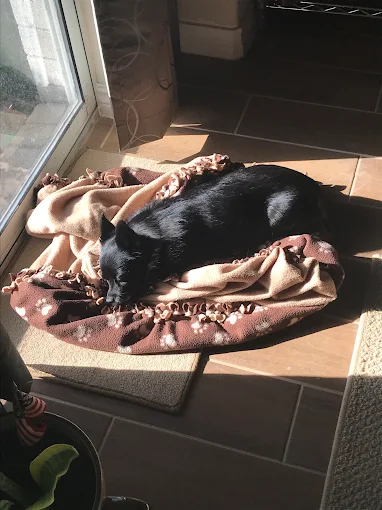
- Create a comfortable space: Choose a familiar resting place with your pet’s favorite blanket or bed.
- Keep the environment calm: Offer gentle affection, minimize distractions, and respect your pet’s preferences.
- Plan ahead: Prepare questions, discuss transportation concerns, and decide who would like to be present.
- Explore aftercare options: Learn about private cremation, communal cremation, and meaningful memorials.
- Seek compassionate guidance: Speak with a veterinary professional about your pet’s comfort, quality of life, and available care options.
When a beloved pet reaches the end of their life, one of the most important things a family can offer is comfort. Familiar surroundings, gentle reassurance, and time together can make a difficult day feel more personal and peaceful. For many families considering In-Home Pet Euthanasia, being at home allows their pet to remain in a place where they feel secure and loved.
For pet owners in San Antonio, Texas, choosing how to say goodbye often involves thinking carefully about their companion’s needs. A trip to a veterinary clinic may be difficult for a pet who becomes anxious during travel or finds unfamiliar environments unsettling. In-home care offers another option, allowing families to focus on their pet’s comfort without the added stress of leaving home.
Understanding how to create a calm environment, recognize your pet’s preferences, and prepare for the visit can help you feel more confident during this emotional time. Although every pet and family is different, small, thoughtful choices can help make the experience more personal and supportive.
Why Familiar Surroundings Can Help Your Pet Feel Safe
Pets often feel most secure in familiar surroundings, surrounded by comforting scents, favorite resting places, and the people they trust. During the end-of-life stage, staying at home may help reduce the added stress of travel and unfamiliar environments.
In-home euthanasia allows families to focus on their pet’s comfort while creating a peaceful, personal setting for their goodbye.
Creating a Comfortable Space
Choose a familiar place where your pet enjoys resting, such as their favorite bed, a quiet bedroom corner, or a shaded spot near a window. Keep a soft blanket, favorite toy, or comfortable cushion nearby if these items bring them comfort. Ensure the space is easy to access, especially if your pet has difficulty moving.
Keeping the Environment Calm
Every pet responds differently to their surroundings. Some appreciate familiar voices and gentle affection, while others prefer quiet and fewer distractions. Limit unnecessary activity and allow your pet to settle naturally. If children or other pets are present, consider whether their company will be comforting. The goal is to create a familiar, reassuring environment that respects your pet’s individual needs.
Recognizing What Your Pet Needs Most
Every animal has different preferences, particularly when age or declining health changes their daily routine. Some pets want to remain close to their families, while others prefer to rest quietly in a familiar spot.
Pay attention to the small signals your pet gives you. A relaxed posture, settling into a favorite bed, or seeking gentle contact may indicate that a particular environment feels comfortable. If your pet moves away or seems unsettled, give them space rather than insisting on interaction.
Let Your Pet Set the Pace
During your pet’s final days, familiar routines can offer reassurance, but it is important to adapt them to their current abilities.
For example, if your dog usually enjoys walks but now tires easily, a few quiet moments outdoors may be more comfortable than a regular walk. If your cat prefers a warm resting place, make sure it is easy to reach without climbing or jumping.
You can also offer affection in ways your pet already enjoys. Some companions appreciate gentle petting, while others are happiest simply resting beside someone they trust.
Avoid expecting your pet to participate in activities they no longer enjoy. Comfort is more important than maintaining every part of the usual routine.
When Travel Becomes an Added Concern
For some families, transportation is an important part of end-of-life planning. A pet who has difficulty walking, becomes distressed in the car, or feels uncomfortable outside familiar surroundings may find travel challenging.
A Pet Transportation Service may be something to consider when arranging appropriate transport for a veterinary appointment or other pet-care needs. Before making plans, ask what assistance is available and whether the arrangements are suitable for your pet’s mobility, comfort, and individual circumstances.
However, transportation is not always necessary when an in-home appointment is appropriate and available. Discussing your pet’s needs with a veterinary professional can help you understand the options and decide what may be most comfortable.
Preparing for an In-Home Euthanasia Visit
Preparation can help reduce the number of decisions you need to make on an already emotional day. You do not have to plan every detail in advance, but thinking about your pet’s comfort and your family’s needs can make the visit feel more manageable.
Choose a Comfortable Space
Select an area where your pet usually feels safe. This could be a favorite room, a quiet place near family members, or another familiar spot where your pet can rest comfortably.
Consider practical details such as accessibility, room to sit together, and whether your pet can remain in their preferred position. If your pet has difficulty moving, let the veterinary professional know beforehand so you can discuss suitable arrangements.
You do not need to rearrange your entire home. A familiar space with a few thoughtful adjustments is often enough.
Decide Who Would Like to Be Present
Family members may have different feelings about being present during a goodbye. Some find comfort in staying close to their pet, while others prefer to remember their companion through the moments they shared beforehand.
There is no single right way to approach this decision. Talk openly with the people involved and consider what feels appropriate for each person.
If children will be involved, use simple, age-appropriate language and allow them to ask questions. Give them permission to express their feelings without pressure to participate in any particular way.
Prepare Questions in Advance
It is natural to have questions about what will happen, how your pet’s comfort will be considered, and what choices your family may need to make afterward.
Writing down your questions can help you remember what matters most to you. You might ask about the appointment, how the veterinary professional will support your pet, what you can do to help them settle, and what aftercare arrangements are available.
Learning about compassionate euthanasia services can also help you understand the support offered and decide whether an in-home visit is right for your family.
You deserve clear answers and the opportunity to discuss your concerns without feeling rushed into a decision.
Supporting Your Pet Through a Peaceful Goodbye
When the time comes, your presence can be an important source of reassurance. You may want to sit beside your pet, speak softly, offer gentle affection, or simply remain close.
There is no need to keep talking or doing something every moment. Quiet companionship can be meaningful, too.
A veterinary professional can explain the visit in advance, answer questions, and help you understand how your pet’s comfort will be considered throughout the experience. If anything is unclear, it is appropriate to ask for an explanation in language that feels easy to understand.
Allow Time for Familiar Comforts
If your pet enjoys a particular kind of affection, you can continue offering it as long as it remains comfortable for them. A favorite blanket, the sound of a familiar voice, or the presence of someone they trust may help make the setting feel more personal.
Some families choose to share a few quiet moments before the appointment. Others prefer to keep things simple and follow their pet’s usual preferences.
You might sit together in the garden, take photographs, share a gentle cuddle, or let your companion rest without interruption. These moments do not need to be elaborate to matter.
Give Yourself Permission to Feel
Making an end-of-life decision for a beloved pet can bring sadness, uncertainty, and even guilt. Many families wonder whether they are making the right choice or whether they could have done something differently.
If you are struggling with these feelings, consider discussing your pet’s quality of life with a trusted veterinary professional. Questions about comfort, daily activities, appetite, mobility, and the things your pet still enjoys can help guide a thoughtful conversation.
You do not have to navigate these concerns alone. Taking time to understand your options is a meaningful part of caring for a companion who has been part of your family.
Understanding Your Aftercare Options
Thinking about aftercare before the appointment may help you feel more prepared. Families have different preferences, and the most suitable choice depends on personal wishes, practical considerations, local requirements, and the arrangements available through the provider.
If you are considering in-home euthanasia services, ask about the aftercare options that can be arranged alongside the visit. Knowing what to expect can reduce uncertainty and allow you to focus more fully on your time with your pet.
Common options may include:
- Private cremation: Depending on the provider’s arrangements, your pet is cremated individually, and their ashes are returned to your family.
- Communal cremation: Several pets are cremated together, and individual ashes are generally not returned.
- Home burial: This may be an option where local regulations, property rules, and practical circumstances permit it.
- Personal memorials: Photographs, a paw-print keepsake, a favorite picture, or a written memory can provide a meaningful way to honor your companion.
Ask the provider to explain the available arrangements, expected timelines, and any associated costs. You can then choose an option that feels appropriate for your family without feeling pressured to make a particular choice.
Planning for Private Cremation and Costs
For families who wish to keep a lasting remembrance, private cremation may be worth exploring. Ask how the service is arranged, whether ashes are returned, what keepsakes may be available, and when you can expect to receive them.
Cost is another practical consideration. Reviewing the available Pricing information and asking which services are included can help you plan with greater clarity.
It is completely reasonable to discuss your budget and ask questions before deciding. Understanding your options allows you to make a thoughtful choice that respects both your wishes and your circumstances.
Finding Support When You Need It
You may feel prepared one moment and uncertain the next. That is understandable when you are facing the loss of a companion who has shared so much of your life.
If you are considering dog euthanasia in San Antonio, you can speak with a veterinary professional about your pet’s comfort, quality of life, and whether an in-home visit may be appropriate. You can also ask about travel concerns, appointment preparation, and aftercare so that you have a clearer picture of what to expect.
If you would like to discuss your pet’s needs or learn more about available options, Contact Us for information and guidance. Reaching out does not mean you must have every decision made. It can simply be an opportunity to ask questions and understand the support available to you.
Helping Your Pet Feel Loved Until the End
Your pet deserves kindness, comfort, and dignity throughout their life, including their final days. In-home pet euthanasia can allow families to share quiet moments in familiar surroundings. You do not need to create a perfect goodbye; simply respecting your pet’s needs and offering gentle reassurance can mean so much. For families in San Antonio, speaking with a compassionate veterinary professional can help clarify care options and provide support during this emotional time.
Frequently Asked Questions
Is in-home pet euthanasia less stressful for pets?
It may be more comfortable for some pets because they can remain in familiar surroundings rather than travel to a clinic. However, every pet is different, and an in-home visit may not be suitable in every situation. A veterinary professional can help you consider your companion’s individual needs.
How can I help my dog feel safe before an in-home euthanasia appointment?
Choose a familiar resting place, keep the environment calm, and allow your dog to remain in a comfortable position. Offer gentle affection if they enjoy it, and avoid unnecessary movement or activities that may cause discomfort.
What if my pet becomes anxious during car travel?
Tell your veterinary professional about your pet’s travel-related concerns. Depending on your circumstances, you can discuss whether in-home care is available, whether transportation assistance is appropriate, or what other arrangements may help keep your pet comfortable.
Should my children be present during the goodbye?
That decision depends on your children’s ages, understanding, and wishes, as well as your family’s preferences. Honest, gentle explanations can help them understand what is happening. Children should be allowed to ask questions and decide how they would like to participate without pressure.
What should I prepare before the appointment?
Consider choosing a comfortable space, deciding who would like to be present, writing down questions, and reviewing aftercare options. You may also want to gather a favorite blanket or another familiar item for your pet.
How do I know when it may be time to consider dog euthanasia?
Changes in mobility, appetite, sleep, comfort, behavior, or interest in favorite activities may be reasons to discuss quality of life with a veterinary professional. No single sign provides every answer. A thoughtful conversation can help you understand your pet’s condition and the options available.