
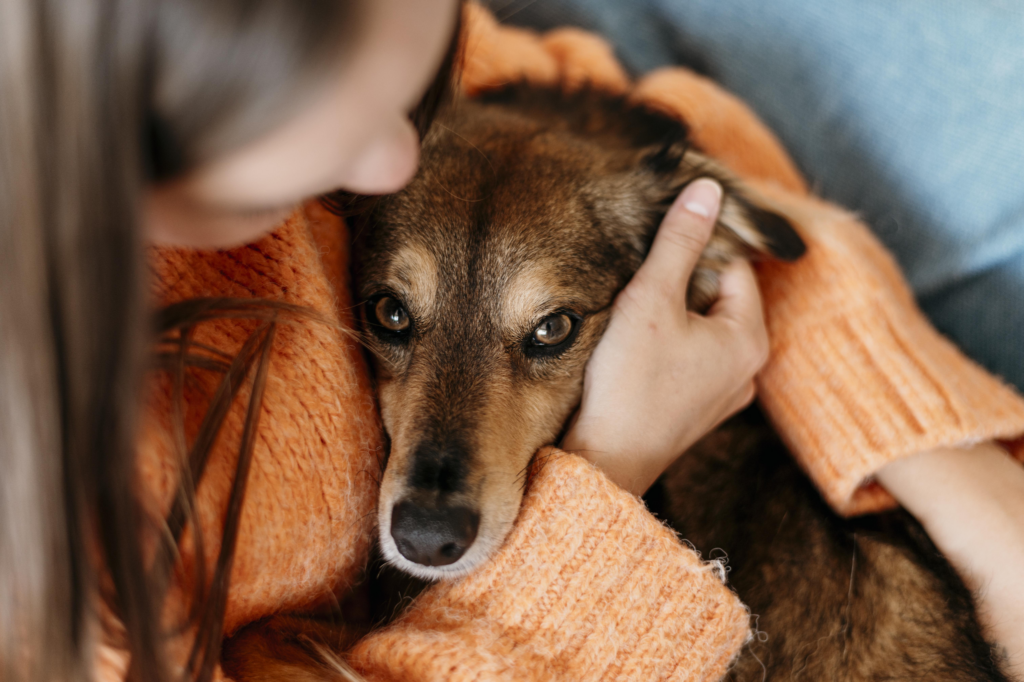
In home euthanasia allows pets to spend their final moments in the comfort of a familiar environment surrounded by the people who love them most. For many families, saying goodbye to a beloved pet is one of the hardest experiences they will ever face. While no option can remove the sadness of loss, choosing a peaceful and compassionate setting can make a significant difference for both pets and their families.
As pets age or face serious illness, their quality of life may decline. During these difficult moments, families often seek the most gentle and respectful way to help their companion pass. Traditional veterinary clinics remain an option, but many pet owners are increasingly choosing home pet euthanasia because it offers comfort, privacy, and reduced stress.
Understanding how the process works can help families make informed decisions and prepare for this important moment. In this guide, we explore the benefits of in home euthanasia, what to expect during the appointment, and why many families view it as the most loving final gift they can provide.
Understanding In Home Euthanasia
In home euthanasia is a veterinary service performed in a pet’s home rather than in a clinic. A veterinarian travels to the family’s residence and conducts the procedure in a calm and familiar environment.
The goal is to provide a peaceful transition while minimizing fear, anxiety, and discomfort. Pets can remain in their favorite resting place, whether that is a cozy bed, a sunny spot in the yard, or a cherished room inside the home.
Many families find comfort in knowing their pet remains surrounded by familiar sights, sounds, and scents during their final moments.
Why Familiar Surroundings Matter
Animals often feel safest in environments they know well.
A veterinary clinic can sometimes create stress due to unfamiliar smells, noises, and interactions with other animals. While veterinary teams work hard to create comfortable experiences, some pets may still become anxious during travel and clinic visits.
With home pet euthanasia, pets avoid transportation and remain in a place where they feel secure. This can be especially beneficial for elderly pets, pets with mobility issues, or animals experiencing pain.
The familiar environment often helps create a calmer experience for everyone involved.
Reducing Stress for Aging and Sick Pets
As pets age, simple activities can become difficult.
Traveling to a veterinary clinic may require lifting, carrying, or navigating stairs. Pets suffering from arthritis, cancer, neurological conditions, or severe weakness may find transportation particularly challenging.
Choosing in home euthanasia removes the physical burden of travel.
Instead of enduring a potentially stressful trip, pets can remain comfortable at home. This often helps preserve their dignity and reduces unnecessary discomfort during their final day.
For many families, knowing their pet remained relaxed provides significant emotional reassurance.
The Emotional Benefits for Families
The benefits of compassionate pet euthanasia extend beyond the pet.
Family members often feel more comfortable grieving in a private setting. At home, there is no pressure to leave immediately after the procedure or share emotional moments in a public waiting room.
Instead, families can spend meaningful time together before and after saying goodbye.
Children, spouses, and other family members can participate according to their comfort level. This flexibility allows everyone to process the experience in a way that feels natural.
Many pet owners report feeling greater peace knowing their pet’s final moments occurred in a loving and familiar environment.
What Happens During an In Home Euthanasia Appointment?
Every veterinarian may have a slightly different approach, but most appointments follow a similar process.
The veterinarian first spends time discussing the pet’s condition and answering questions. Families are encouraged to share concerns and discuss any final wishes.
The pet is typically given medication to help them relax. This sedation allows them to become calm and comfortable.
Once the family is ready, the veterinarian administers the euthanasia medication. The process is gentle and painless.
Most pets pass peacefully within minutes while surrounded by loved ones.
The veterinarian then confirms that the pet has passed and provides guidance regarding aftercare options.
Creating a Meaningful Goodbye
One of the advantages of peaceful pet euthanasia at home is the opportunity to personalize the experience.
Families often choose meaningful ways to honor their pet before the appointment.
Some spend time sharing favorite memories. Others offer special treats, listen to calming music, or gather family members for a final farewell.
Because there is no rush, families can focus on creating a loving atmosphere that reflects the bond they shared with their pet.
These personal touches often become cherished memories.
If you’re considering in-home euthanasia for your beloved pet, our compassionate team is here to provide gentle guidance and peaceful end-of-life care in the comfort of your home. Contact us today to learn more.
When Is the Right Time?
Determining when to say goodbye is one of the most difficult decisions pet owners face.
Many families struggle with balancing hope and quality of life.
Veterinarians often assess factors such as:
- Pain levels
- Mobility
- Appetite
- Breathing comfort
- Interest in daily activities
- Overall happiness
A quality-of-life assessment can help families evaluate whether their pet is experiencing more good days than bad days.
While every situation is unique, consulting with an experienced veterinarian can provide valuable guidance and support.
Supporting Other Pets in the Household
Other pets frequently form strong bonds with one another.
When a pet passes away, surviving animals may also experience changes in behavior.
Because in home euthanasia occurs in a familiar environment, other household pets can often observe and process the situation more naturally.
Some veterinarians encourage families to allow surviving pets to spend time nearby if appropriate.
This can help reduce confusion and support adjustment after the loss.
Understanding Pet Aftercare Options
After the procedure, families may choose from several aftercare options.
These commonly include private cremation, communal cremation, burial where legally permitted, and memorial services.
Many veterinarians offering compassionate pet euthanasia also coordinate aftercare arrangements.
Discussing preferences in advance can reduce stress and help families focus on spending meaningful time with their pet.
Planning ahead often provides peace of mind during an emotional period.
Why More Families Are Choosing Home Pet Euthanasia
Awareness of in-home veterinary services has grown significantly in recent years.
Families increasingly recognize the value of personalized end-of-life care.
The combination of comfort, privacy, dignity, and emotional support makes home pet euthanasia an appealing option for many pet owners.
For pets with serious illness or limited mobility, remaining at home often creates a gentler experience than traveling to a clinic.
As a result, more families are exploring this option when planning end-of-life care.
How Veterinarians Provide Compassionate Support
Veterinarians who specialize in end-of-life care understand the emotional challenges families face.
Their role extends beyond medical care.
They provide guidance, answer questions, and support families throughout the process.
Many take time to explain each step, discuss aftercare options, and ensure family members feel prepared.
This commitment to empathy is a key reason why compassionate pet euthanasia services are valued by so many pet owners.
Preparing for the Appointment
Preparation can help reduce anxiety and create a smoother experience.
Families may wish to choose a quiet location, gather loved ones, and decide whether children or other pets will be present.
Some also prepare keepsakes such as photographs, paw prints, or letters.
Discussing expectations with the veterinarian beforehand can help ensure everyone feels comfortable.
While the experience remains emotional, preparation often helps families focus on honoring their pet’s life.
Conclusion
Choosing in home euthanasia is never an easy decision. However, many families find comfort in knowing their pet was able to remain in familiar surroundings during their final moments.
The privacy, comfort, and dignity offered through home pet euthanasia can create a more peaceful experience for both pets and their loved ones. By reducing stress and allowing families to say goodbye in a meaningful way, this approach supports a gentle transition at the end of a cherished life.
When the time comes to make difficult decisions, compassionate veterinary guidance can help families navigate the process with confidence and care. For many pet owners, peaceful pet euthanasia at home becomes one final act of love for a loyal companion who has given years of friendship and devotion.
Contact us for more.
FAQs
What is in-home pet euthanasia for pets?
In home pet euthanasia is a veterinary service where a veterinarian visits your home to help your pet pass peacefully in familiar surroundings.
Is home pet euthanasia painful for pets?
No. The procedure is designed to be gentle and painless. Pets are typically given medication to help them relax before the euthanasia medication is administered.
How do I know when it is time for euthanasia?
A veterinarian can help assess your pet’s quality of life by evaluating comfort, mobility, appetite, and overall well-being.
Can family members be present during the procedure?
Yes. Most veterinarians encourage family members to be present if they wish, allowing everyone to say goodbye in a comfortable setting.
What happens after peaceful pet euthanasia?
Families can choose from several aftercare options, including cremation, burial where permitted, and memorial services. Your veterinarian can help coordinate these arrangements.